Best Gold Mining Trucks for Optimal Efficiency and Profit?
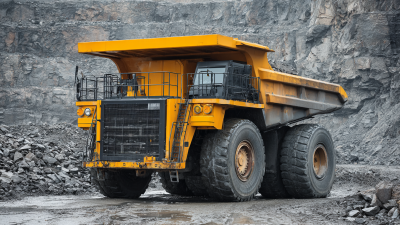
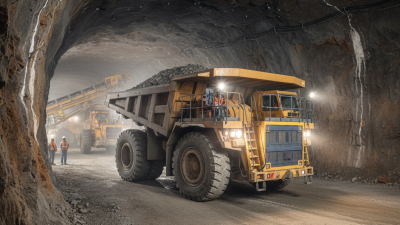
In the competitive world of mining, efficiency is crucial. Gold Mining Trucks play a vital role in the success of mining operations. These vehicles are specifically designed to handle heavy loads and harsh environments. Their performance can significantly impact productivity and profits. Choosing the right truck is not just about power; it requires careful consideration of various factors.
Many companies overlook maintenance and driver training. These aspects can directly influence the overall effectiveness of Gold Mining Trucks. Investing in advanced technologies can also offer considerable advantages. However, the initial cost may pose a risk, particularly for smaller operations. Striking a balance between cost and efficiency remains a challenge.
Ultimately, the best Gold Mining Trucks should promise reliability and adaptability. It is essential to review models thoroughly before making decisions. While some trucks may meet immediate needs, they might not be the best long-term choice. Reflecting on these elements can lead to more informed investments and improved outcomes in the complex landscape of gold mining.
Overview of Gold Mining Operations and Requirements
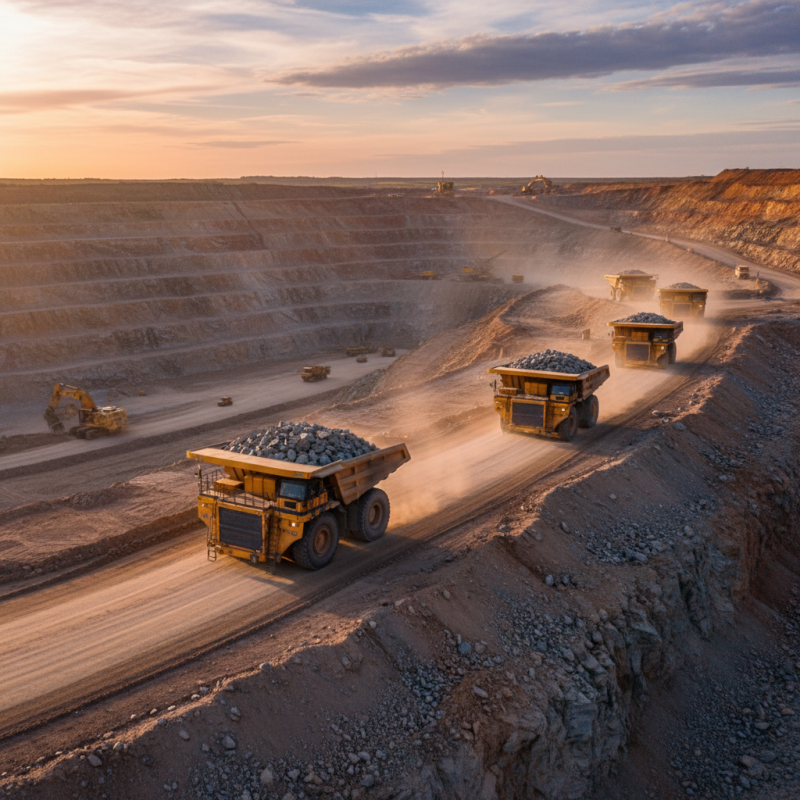
Gold mining operations require robust machinery and strategic planning to ensure both efficiency and profitability. The reliance on heavy-duty trucks is crucial. A report by the International Council on Mining and Metals suggests that truck-shovel systems account for about 70% of surface mining operations. This indicates the immense role these vehicles play in transporting ore and waste material.
Optimizing gold mining processes hinges on the right equipment choices. The size, load capacity, and fuel efficiency of mining trucks can significantly impact overall operations. According to the World Economic Forum, equipment-related delays can lead to up to 30% inefficiencies in mine productivity. Proper truck selection can alleviate some of this lost time. Yet, many operations overlook maintenance schedules, which can further compromise efficiency.
The harsh environments and demanding terrains introduce a level of risk. Trucks often face breakdowns due to extreme conditions. A study from the Mining Industry Coordinating Council reveals that improper vehicle operation can increase maintenance costs by up to 40%. Reflecting on these data points, one recognizes the need for continuous training and equipment assessment in mining operations. The quest for higher profit must balance equipment effectiveness with operational demands.
Key Features to Consider When Selecting Mining Trucks
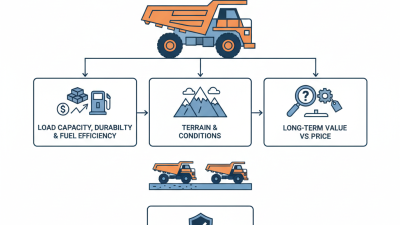
When selecting mining trucks, several key features should be carefully evaluated to ensure optimal efficiency. The load capacity is a primary consideration. According to the World Mining Congress, trucks should carry at least 60 tons to minimize the number of trips, which directly impacts fuel efficiency. Additionally, payload optimization can improve operational costs significantly.
Engine performance is crucial for productivity. A powerful engine not only ensures speed but also enhances torque, vital for navigating rough terrains. In challenging environments, a truck's ability to withstand extreme conditions—extreme temperatures and rough roads—can greatly affect uptime. Reliability research from the Mining Industry Council indicates that unplanned downtime can cost companies up to 20% of their annual profits.
Another essential factor is safety features. Many mining sites are hazardous, making advanced safety mechanisms non-negotiable. Trucks should have robust braking systems and safety belts to protect operators. Effective visibility systems also reduce accidents and improve operational safety. Regular assessments of these features may reveal inadequacies needing attention. This reflective approach can lead to better long-term investments in mining operations.
Best Gold Mining Trucks for Optimal Efficiency and Profit
| Truck Model |
Cargo Capacity (tons) |
Fuel Efficiency (mpg) |
Engine Power (hp) |
Payload Capacity (tons) |
Price Range ($) |
| Model A |
30 |
6 |
450 |
25 |
200,000 - 250,000 |
| Model B |
35 |
5.5 |
500 |
30 |
220,000 - 270,000 |
| Model C |
40 |
6.2 |
600 |
35 |
250,000 - 300,000 |
| Model D |
45 |
5.8 |
700 |
40 |
300,000 - 350,000 |
Top Gold Mining Trucks: Performance and Reliability Comparison
When evaluating gold mining trucks for optimal performance and reliability, certain metrics are crucial. A report by the International Council on Mining and Metals indicates that efficiency boosts productivity by as much as 30%. This is vital in a sector where profit margins can be narrow. The ability to transport heavy loads while navigating rough terrains leads to better performance outcomes.
Payload capacity and fuel efficiency are key factors to consider. Trucks with a payload capacity exceeding 30 tons tend to outperform smaller models in harsh environments. They reduce the number of trips needed for ore transport, ultimately saving time and operational costs. Reports show that high-performing trucks can achieve fuel efficiency rates of up to 6 miles per gallon in rugged conditions, impacting overall profitability.
However, not every model meets expectations. Maintenance issues can arise unexpectedly, affecting reliability. The cost of repairs and downtime can quickly erode profits. Investing in preventive maintenance plans often proves beneficial. A consistent maintenance strategy can enhance truck lifespan and performance, minimizing unplanned disruptions. Exploring various options and learning from past experiences is necessary for making informed decisions in this highly competitive field.
Best Gold Mining Trucks for Optimal Efficiency and Profit
This chart compares gold mining trucks based on their load capacity and fuel efficiency. The load capacity is measured in tons, while fuel efficiency is measured in miles per gallon (mpg). This data can help identify the most efficient trucks for optimal performance and profit in gold mining operations.
Cost-Benefit Analysis of Investing in High-Performance Trucks
Investing in high-performance trucks for gold mining operations can significantly enhance efficiency. These trucks improve the speed of transporting ore, minimizing downtime. When evaluating their cost-effectiveness, initial expenditure often raises concerns. However, the long-term benefits may outweigh these concerns. Enhanced payload capacity leads to lower fuel costs per ton.
Maintenance is another important factor. High-performance trucks require regular servicing, which can add to operational costs. Yet, reliable vehicles reduce the likelihood of unexpected repairs. Fewer breakdowns mean more productive hours on-site, ultimately driving profitability.
It is essential to assess the total cost of ownership. This includes not just the purchase price, but ongoing expenses, such as fuel and maintenance. Over time, these costs compound, affecting profit margins. A thorough cost-benefit analysis allows mine operators to make informed decisions. This may involve recalculating projected earnings against vehicle expenses. Balancing the desire for the latest technology with practical fiscal management is key.
Maintenance and Upkeep for Optimal Truck Efficiency in Mining
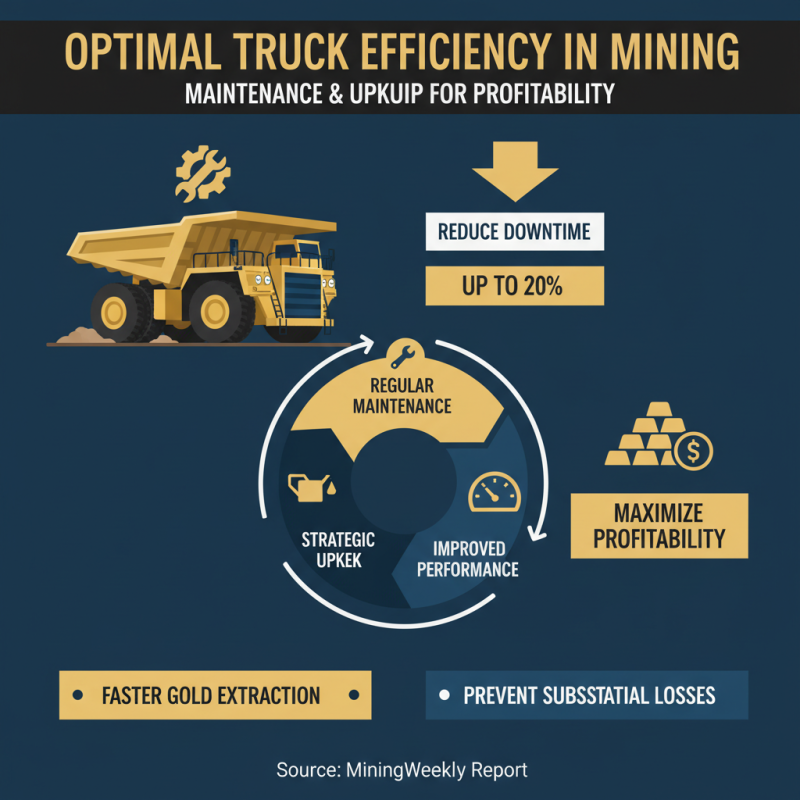
In gold mining, the efficiency of trucks is crucial for maximizing operational profitability. Regular maintenance and strategic upkeep greatly impact performance. According to a report by MiningWeekly, maintaining a fleet of trucks can reduce downtime by up to 20%. This is essential when considering that even small delays can delay gold extraction, resulting in substantial losses.
Routine inspections should focus on key components such as tires, brakes, and the hydraulic system. Overlooking small issues can lead to costly breakdowns later. For instance, a study from the International Council on Mining and Metals revealed that improper tire maintenance costs operations nearly $10,000 per truck annually. Regularly scheduled servicing has proven to keep machinery running efficiently.
Moreover, training personnel on maintenance best practices is often underestimated. A well-informed team can perform simple repairs, reducing the reliance on external technicians. While it seems basic, empowering operators leads to higher accountability and better truck care. Reflection on current maintenance practices can reveal gaps that, if addressed, could significantly boost overall efficiency and profit margins in mining operations.