China Top Dump Truck Mining Jobs Suppliers Guide

China’s mining equipment sector offers a broad range of suppliers for heavy-duty dump trucks and related support services. This guide explores how buyers can evaluate China Top Dump Truck Mining Jobs Suppliers with practical care. The phrase “Dump Truck Mining Jobs” often covers more than driving positions. It can include fleet operation, maintenance, dispatch, training, and site supervision.

Experience matters in this market. A reliable supplier should explain payload ratings, engine performance, transmission options, braking systems, and cabin safety features clearly. Ask for service records from comparable mines. Request references from customers operating in similar terrain and climates. Factory visits can reveal more than polished catalogues. Look closely at welding quality, tyre storage, parts inventory, and technician training.

Safety comes first.

Professional suppliers should provide manuals, inspection schedules, operator training, and responsive after-sales support. Buyers should also verify applicable certification, emissions requirements, import rules, and workplace standards before placing an order. These details vary by country and project. A low purchase price may become expensive when spare parts arrive slowly or technical support is weak. That risk deserves careful calculation.

No supplier is perfect. Even experienced manufacturers can face delivery delays, unclear communication, or limited local support. This guide therefore compares evidence, not marketing claims. It considers truck durability, supplier experience, warranty terms, maintenance access, and total operating cost. Readers can use these points to build a more dependable shortlist and make decisions based on measurable performance rather than attractive promises.
China Top Dump Truck Mining Jobs Suppliers Guide

China’s Role in the Global Dump Truck Mining Equipment Market

China’s role in the global dump truck mining equipment market is difficult to ignore. The International Energy Agency reported that China produced about 4.66 billion tonnes of coal in 2023. That represented roughly half of global coal output. Such volume creates strong demand for high-payload haulage equipment, replacement parts, and service support.

Industry reports also show a wider shift toward larger electric-drive trucks and smarter fleet management. Mining equipment studies from GlobalData identify automation, fuel efficiency, and remote monitoring as major market drivers. Chinese suppliers increasingly serve overseas mines with configurations adapted to steep ramps, muddy roads, and extreme temperatures. In practice, performance depends on more than rated payload. Brake cooling, tire availability, frame durability, and technician response can decide whether a truck earns money or waits idle. The picture is not perfect. Some suppliers still provide limited field data, and published fuel figures may differ sharply from mine results.

Tips: Request independent load-cycle tests, verified component certificates, and a clear parts schedule. Compare lifetime cost, not only purchase price. Check local service capacity before signing any order. The World Mining Congress and International Council on Mining and Metals both emphasize safer operations, stronger maintenance systems, and measurable environmental performance. These principles should guide supplier evaluation. A lower initial price can become expensive when a damaged hydraulic line stops production for three days.
Key Features of China’s Top Mining Dump Truck Suppliers

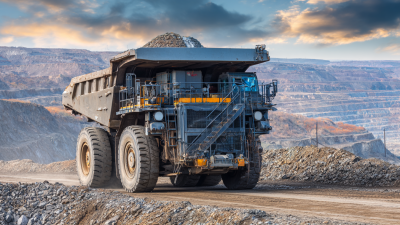
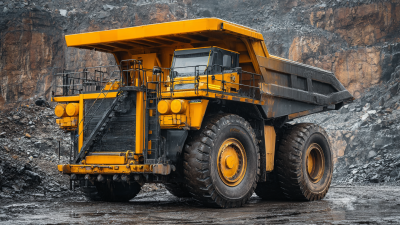
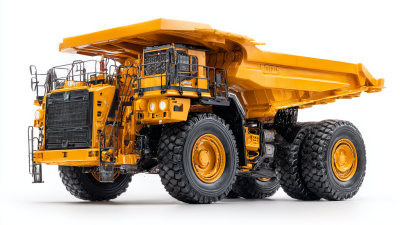
China’s top mining dump truck suppliers focus on payload, structural strength, and uptime. In active open-pit mines, operators often face steep ramps, loose rock, dust, and sharp temperature changes. A reinforced frame helps the truck absorb repeated loading shocks. Wide tires improve traction on uneven haul roads. Payload figures matter. A 60-ton truck must remain stable when its body is fully loaded. However, advertised capacity should never replace field testing.

Reliable suppliers usually provide diesel or electric power options, automatic transmission systems, and high-capacity hydraulic cylinders. These features support faster loading, controlled dumping, and smoother operation on long routes. A sealed cab with filtered air, stronger visibility, and reduced vibration can protect driver performance during extended shifts. Small details matter, too. Easy access to filters and grease points can shorten daily maintenance.

Look underneath.

Experienced buyers should request service records, parts lead times, warranty terms, and training plans. Technical documents should explain braking performance, axle ratings, battery or fuel consumption, and recommended operating limits. Remote monitoring can track engine warnings, tire pressure, location, and maintenance hours. This data improves planning, but it is not perfect. Sensors may fail in heavy dust, while poor network coverage can delay alerts. Suppliers should offer practical backup procedures, not only software promises. Independent inspections and a supervised site trial can reveal frame fatigue, overheating, or uncomfortable controls before a large order. No supplier gets everything right. Careful verification still matters.

Main Types of Dump Trucks for Mining Operations

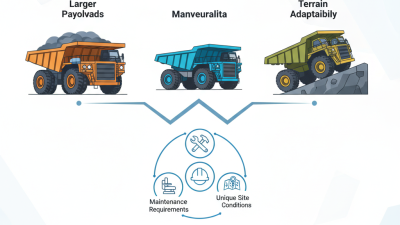
Mining operations need different dump trucks for different ground conditions, distances, and payload demands. Rigid dump trucks suit large open-pit mines with wide, stable haul roads. Their strong frames carry heavy loads and maintain steady performance on long routes. They are productive, but turning requires more space.

Articulated dump trucks work better on uneven terrain, mud, and temporary roads. A central joint helps the vehicle follow rough ground with improved traction. Their flexibility is valuable during changing mine conditions. Underground mining trucks are shorter and lower, allowing them to move through narrow tunnels and restricted loading areas. Some mines also consider electric or hybrid dump trucks to reduce local emissions and noise. However, charging access, battery weight, and working temperatures still require careful evaluation. The choice is not always obvious.

Tips: Match payload with road design, tunnel clearance, slope, and maintenance skills. Check the braking system before comparing engine power. Inspect tires, hydraulic lines, and frame joints during routine shifts. Ask suppliers for verified load charts, service records, operator training, and parts availability. A cheaper truck can become expensive when downtime interrupts a full production cycle. I have seen specifications look excellent on paper, yet poor site matching caused delays. That possibility deserves honest review.

How to Evaluate Chinese Dump Truck Suppliers and Manufacturers

China Top Dump Truck Mining Jobs Suppliers Guide

How to Evaluate Chinese Dump Truck Suppliers and Manufacturers

Selecting a Chinese dump truck supplier requires more than comparing online prices. Start with the machine’s working environment. A haul road with steep grades, sharp rocks, and heavy rain demands different specifications from a dry quarry. Check payload accuracy, frame thickness, axle capacity, tire options, braking performance, and ground clearance. Ask for test records, not only catalog figures.

A factory visit can reveal important details. Observe welding lines, paint preparation, parts storage, and final inspection procedures. Request serial-number records and production photos for similar mining vehicles. Reliable manufacturers should explain engine choices, hydraulic maintenance, delivery schedules, and spare-parts availability clearly. Their engineers should also understand shift hours, loading cycles, and local service conditions.

Talk with at least two existing customers, preferably at comparable sites. Ask about downtime, fuel use, transmission behavior, and response after a breakdown. Written warranty terms matter, especially for hydraulic pumps, axles, and structural components. Confirm training, remote support, and technician travel arrangements before signing. Small details often become expensive.

I once focused too heavily on purchase price. That was a mistake. A cheaper truck may need stronger supervision and more frequent repairs. No checklist is perfect. Recheck every technical promise against operating data, independent inspection, and the actual contract. A dependable supplier accepts difficult questions and records its answers.

Importing, Operating, and Maintaining Chinese Mining Dump Trucks

China Top Dump Truck Mining Jobs Suppliers Guide

Importing a Chinese mining dump truck requires more than comparing purchase prices. Check payload, axle limits, braking systems, emissions, and local road approval before shipment. The United Nations Economic Commission for Europe stresses that vehicle safety depends on tested braking and stability systems. Those documents should arrive before the truck does.

Operating costs deserve closer attention. A 2024 market report from Fortune Business Insights estimated the global mining dump truck market at over USD 40 billion in 2023. Fuel, tires, and unplanned downtime can quickly outweigh the original price advantage. Use payload scales and cycle-time records to identify overloaded trips. Maintain smooth haul roads, because potholes increase suspension stress and tire wear. Telematics can help, but poor data still creates poor decisions. I have seen teams track everything except idle hours.

Tips: Keep a parts register before import. Store filters, belts, hoses, sensors, and brake components in dry conditions. Follow the maintenance schedule in the technical manual, then confirm intervals through oil analysis and inspection results. The International Council on Mining and Metals recommends stronger safety controls, worker reporting, and measurable risk management across mining operations. Apply those principles to daily inspections, not just annual audits.

A practical maintenance log should record engine hours, load cycles, tire pressure, coolant condition, and fault codes. Train operators to report unusual vibration early. Small warnings become expensive failures. The checklist will never be perfect; review it after every breakdown.