Selecting the right Coal Haul Truck is a production decision, not merely a purchasing exercise. Payload, road conditions, fuel use, braking performance, and service support must match the mine’s daily reality. A 220-ton truck may appear efficient on paper, yet narrow ramps or weak haul roads can reduce its practical advantage. The best choice depends on the complete haul cycle.
Industry reports reinforce this broader view. The International Energy Agency’s Coal 2024 report describes coal demand and production as remaining substantial, despite a changing energy market. This pressure makes equipment productivity important, but productivity cannot stand alone. The Mine Safety and Health Administration identifies powered haulage as a continuing safety concern in surface mining. Therefore, visibility systems, automatic braking, operator ergonomics, and maintenance access deserve the same attention as engine power. Safety is not an optional upgrade.
Operating data should guide the final comparison. Track payload accuracy, average cycle time, idle hours, fuel consumption, tire damage, and unplanned downtime. Caterpillar’s Performance Handbook emphasizes that job-site conditions strongly influence machine performance. The Global Mining Guidelines Group also promotes structured approaches to mobile equipment automation and operational risk. These sources offer useful direction, but they do not replace site trials. No spreadsheet captures every muddy turn. A clean calculation may still miss seasonal gradients, dust, driver behavior, or delayed parts. The strongest selection process combines manufacturer evidence, fleet history, independent inspection, and a supervised field test. The cheapest truck can become the most expensive mistake. A reliable Coal Haul Truck should earn its value through safe cycles, predictable availability, and measurable cost per tonne.
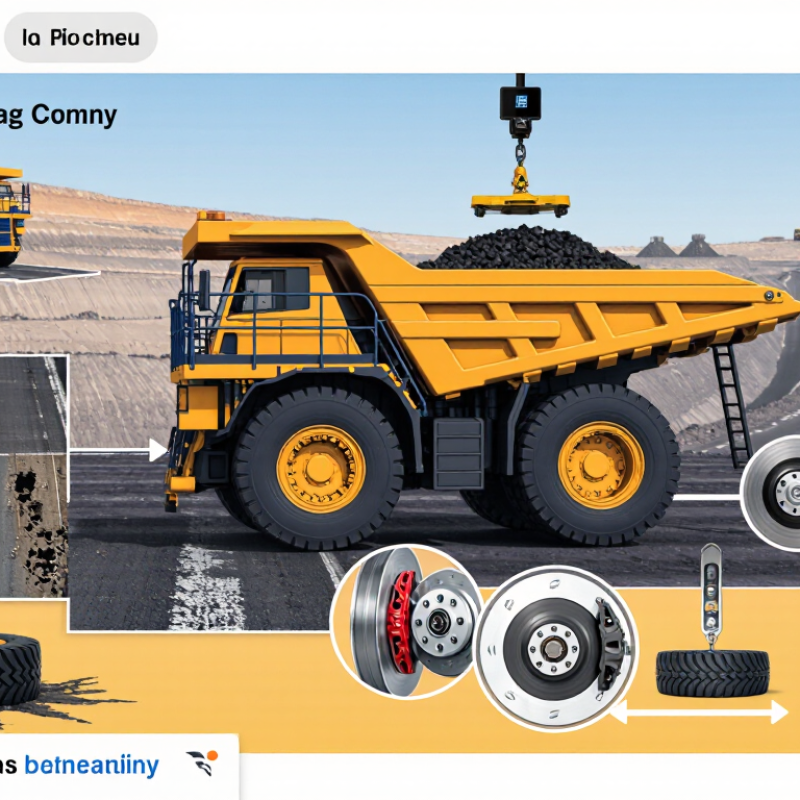
Choosing a coal haul truck starts with its job, not its advertised payload. Define whether it will feed a crusher, move coal to a stockpile, or serve both routes. Measure haul distance, road width, gradients, turning areas, and daily operating hours. Coal density changes with moisture and seam conditions. That detail matters. An oversized body may reduce cycle frequency, overload haul roads, and increase braking demands.
Operating requirements should reflect the complete work cycle. Record loading time, travel speed, dumping time, and return delays during a normal shift. I have found that small delays at the loading point can change production more than a higher theoretical payload. Calculate expected tonnes per hour using payload, cycle time, availability, and realistic operator breaks. Do not rely only on ideal test figures. They often look better than field conditions.
Check the truck’s braking capacity, visibility, suspension, tire suitability, and cooling performance for the actual site. Steep roads require dependable retardation and disciplined speed control. Wet coal can increase body weight and sticking during discharge. Dusty routes demand practical filtration and inspection routines. Maintenance access also affects truck availability, especially when cleaning or replacing components takes place beside the pit. A detailed site trial is useful, but one trial cannot represent every season. Leave room for that uncertainty.
Payload capacity should match the mine’s loading equipment and road conditions. A truck rated for 100 tonnes may not carry that load safely on steep, wet routes. Check the actual payload, not only the advertised maximum. Weighbridge records from similar shifts provide better evidence. Underloading wastes each trip. Overloading increases tire stress, braking distance, and frame fatigue.
Truck size must fit the working area. Measure loading bays, turning circles, ramp widths, and dumping points before choosing a larger body. A compact truck can complete more cycles when roads are narrow or congested. It may also reduce waiting near the shovel. Small details matter. A two-minute delay repeated all day can reduce output more than expected.
Hauling distance changes the decision. Short routes often favor faster loading and quick dumping. Long routes require comfortable cabs, reliable cooling, strong brakes, and fuel capacity for full shifts. Calculate the complete cycle time, including loading, travel, reversing, dumping, and queuing. I once assumed the largest payload would deliver the lowest cost. The result was different when steep gradients slowed every return trip. Compare measured fuel use and cycle records from your site. Then review the choice after seasonal rain, road repairs, and changing coal production.
Choosing a coal haul truck starts with the powertrain, not the largest engine. Match engine output to payload, haul distance, and sustained grade. A mechanical drive can feel responsive on steep ramps, while an electric drive may control torque more smoothly. Measure wheel slip, retarder response, and cooling stability during loaded cycles. Numbers matter. I prefer test logs from the actual pit, because brochure figures rarely reflect dust, heat, or long idling.
Fuel efficiency should be tracked in liters per tonne-kilometer, not liters per hour alone. Record payload, average speed, idle time, tire pressure, and queue duration for every shift. A truck that burns less fuel empty may perform poorly when fully loaded. Look for engine mapping, automatic shifting, regenerative braking, and shutdown controls that reduce wasted fuel. Check the data twice.
Off-road performance depends on more than horsepower. Traction on wet ramps, ground clearance over uneven benches, steering articulation, and brake cooling deserve hands-on inspection. Rain changes everything. Observe how suspension reacts to potholes and how the cab protects operators from vibration. Maintenance access also matters; a difficult filter change can extend downtime and encourage shortcuts. I would leave room for doubt: local geology and operator habits can overturn a promising test result.
Representative data for anonymous rigid coal haul truck classes. Higher engine power supports heavy payloads, lower fuel consumption improves operating efficiency, and a higher maximum grade indicates stronger off-road climbing capability.
How to Choose the Best Coal Haul Truck?
A coal haul truck should protect people before it moves material. During field inspections, check the braking system on slopes and rough haul roads. Test emergency shutdown controls, warning alarms, seat belts, and fire suppression equipment. Visibility matters too. The operator should see loading points, pedestrians, and reversing areas without leaning around blind spots. Cameras and proximity alerts can help, but they should not replace trained observation. Confirm that safety systems have documented test results and clear inspection intervals. Records matter when equipment operates through dust, vibration, and poor weather.
Durability depends on more than a strong frame. Examine welds, suspension parts, tires, hydraulic lines, and corrosion-prone joints. Ask how the truck performs under repeated heavy loads, not only during a showroom demonstration. A small crack near a mounting point can become an expensive failure. That detail is easy to miss. Maintenance access deserves equal attention. Technicians should reach filters, fluid tanks, batteries, brake components, and diagnostic ports from safe ground-level positions. Wide service doors, labeled connections, and simple access panels reduce repair time. However, convenient access does not guarantee good maintenance. Check real service records, parts availability, and technician training before choosing. An honest evaluation should include weaknesses, because every haul truck has them.
| Evaluation Dimension | Typical Data or Target | Safety Check | Durability Check | Maintenance Accessibility |
|---|---|---|---|---|
| Payload Class | Articulated trucks commonly operate around 30–45 metric tonnes; rigid mining trucks are commonly available from approximately 90 to more than 300 metric tonnes. | Confirm that the rated payload matches haul-road width, braking capacity, berm height, and site traffic controls. | Avoid routinely exceeding the rated payload, because overloading increases frame, tire, suspension, and drivetrain stress. | Select a payload class that can be serviced with the lifting equipment, workshop space, and trained personnel available on site. |
| Service Brakes and Retarding | The truck should have a fully enclosed service-brake system and a separate retarding method, such as hydraulic retarding or electric dynamic braking, where appropriate. | Verify stopping performance, brake temperature monitoring, automatic emergency braking functions, and downhill speed control. | Check brake cooling capacity and the manufacturer's limits for continuous operation on long grades. | Inspect access to brake accumulators, cooling circuits, sensors, wear indicators, and diagnostic test points. |
| ROPS and FOPS Protection | The operator enclosure should be certified to the applicable rollover protective structure and falling-object protective structure requirements for the machine class. | Confirm certification, intact mounting points, laminated or impact-resistant glazing, and unobstructed emergency exits. | Examine cab mounts, roof panels, door hinges, seals, and structural welds for fatigue or deformation. | Ensure that the cab can be tilted or opened safely and that inspection points remain reachable without removing major components. |
| Visibility and Collision Awareness | Useful systems include wide-angle mirrors, rear-view cameras, proximity detection, blind-spot alerts, and high-intensity lighting. | Check camera coverage, alarm audibility, lighting performance, pedestrian detection, and compatibility with the site's traffic-management system. | Prefer protected camera housings, sealed connectors, vibration-resistant mounts, and weather-resistant displays. | Cameras, radar units, alarms, and wiring should be reachable for cleaning, calibration, and replacement. |
| Tire and Wheel Protection | Tire-pressure and tire-temperature monitoring can provide continuous condition information; tire selection must match payload, speed, haul distance, and road surface. | Use real-time alerts for underinflation, overheating, rapid pressure loss, and abnormal wheel-end temperature. | Check tire load rating, wheel-rim inspection procedures, suspension travel, and protection from sharp coal or rock debris. | Provide safe access for inflation, pressure verification, tread inspection, wheel-nut checks, and tire removal. |
| Frame and Suspension | The frame, articulation joint, axles, and suspension should be designed for the truck's gross vehicle weight and expected haul-road conditions. | Inspect articulation stops, steering redundancy, suspension condition, and structural damage before operation. | Look for reinforced high-stress areas, protected hydraulic lines, replaceable wear components, and documented fatigue inspections. | Grease points, pivot pins, suspension cylinders, and inspection ports should be accessible from safe ground-level platforms where possible. |
| Engine and Cooling System | Cooling capacity should be suitable for ambient temperature, altitude, haul-road grade, payload, and continuous retarding requirements. | Confirm alarms and automatic protection for high coolant temperature, low oil pressure, overspeed, and fire-risk conditions. | Prefer heavy-duty cooling packages with protected radiators, reversible or cleanable fan systems, and filtration suited to dusty mines. | Radiators, filters, belts, hoses, drain points, and fluid sampling ports should be accessible without extensive disassembly. |
| Fire Detection and Suppression | A mining haul truck should be equipped with fire detection and suppression suitable for the engine compartment, hydraulic areas, and other identified hot zones. | Check detection coverage, manual activation points, discharge indicators, alarm functionality, and emergency shutdown integration. | Inspect nozzle protection, hose routing, heat shielding, and resistance to vibration, dust, and high temperatures. | Cylinders, hoses, detectors, nozzles, and inspection labels should be accessible for scheduled checks and recharge. |
| Dust, Water, and Corrosion Resistance | Electrical enclosures, connectors, sensors, and hydraulic components should be sealed for the mine's dust, water, wash-down, and temperature conditions. | Verify that dust or moisture cannot compromise braking, steering, visibility, warning, or emergency systems. | Examine coating quality, corrosion protection, drain paths, hose abrasion protection, and sealing around electrical compartments. | Choose removable covers, clearly labeled connectors, accessible drain points, and washable components that reduce cleaning time. |
| Inspection and Lubrication Points | Daily inspection points should be clearly marked and grouped logically; automatic or centralized lubrication can reduce missed grease points. | Ground-level access and secure service platforms reduce falls and exposure to moving or hot components during inspections. | Correct lubrication intervals protect pins, bushings, bearings, articulation joints, and suspension components from premature wear. | Favor centralized grease manifolds, remote fluid-level indicators, quick-drain valves, and clearly labeled service points. |
| Diagnostics and Condition Monitoring | The monitoring system should record fault codes and key parameters such as engine temperature, brake temperature, payload, tire condition, and hydraulic pressure. | Confirm that critical faults trigger visible and audible warnings and place the truck in a safe operating mode when required. | Trend data can identify overheating, overload, abnormal vibration, fluid contamination, and component degradation before failure. | Diagnostic ports, displays, software access, and service manuals should be available to the site maintenance team. |
| Parts and Service Support | Compare preventive-maintenance intervals, expected component life, critical spare-parts lead times, and local technical support capacity. | Confirm that safety-critical parts, such as brake, steering, tire, and fire-system components, can be obtained within the site's risk-control timeframe. | Review field-service records, component rebuild options, warranty terms, and recommended inspection intervals. | Evaluate access to service documentation, tooling, training, mobile technicians, and component-removal equipment. |
Note: Payload ranges and equipment features are typical industry benchmarks. Final selection should be validated against the mine's haul-road geometry, gradients, climate, altitude, duty cycle, local regulations, and manufacturer specifications.
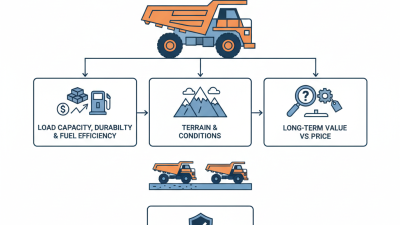
The best coal haul truck is not always the largest or most powerful model. Its value depends on your site conditions and daily production goals. Measure payload, haul distance, road grade, cycle time, fuel use, tire wear, maintenance, and expected downtime. A truck carrying more coal may perform poorly on steep, wet roads. A smaller unit may deliver better cost per tonne when loading areas are narrow.
Build a total-cost estimate for the truck’s full working life. Include purchase price, operator requirements, fuel, scheduled service, repairs, tires, insurance, and resale value. Use actual site records whenever possible. A spreadsheet can still mislead if it uses ideal cycle times. Test the estimate against rainy shifts, long queues, and changing coal conditions. Those details often expose the real cost.
Tips: Walk the haul route before selecting equipment. Record road width, maximum slope, turning space, dust levels, and surface condition. Compare at least three operating scenarios. Ask maintenance staff which components fail most often in similar conditions. Keep a contingency for unexpected downtime. This is not perfect forecasting, but it is more reliable than choosing from specifications alone. Review the numbers after the first operating season and correct weak assumptions.