What Are the Top Heavy Mining Truck Manufacturers?

Choosing the top Heavy Mining Truck manufacturers requires more than comparing payload figures. Mine operators also assess durability, fuel efficiency, operator safety, service coverage, and total ownership cost. A truck may look powerful on paper, yet perform poorly when haul roads become steep, wet, or uneven.

This overview examines established manufacturers such as Caterpillar, Komatsu, Liebherr, and BelAZ. Each company approaches mining transport differently. Some focus on very large rigid-frame trucks. Others emphasize automated operation, electric-drive systems, or connected fleet management. These differences matter at open-pit mines, where a loaded truck can travel for hours under severe dust, heat, and vibration.

The comparison will consider real operating conditions, not marketing claims alone. Payload consistency matters. So does brake performance on long descents. Maintenance access can determine whether a truck returns to work quickly after a hydraulic fault. Local parts availability matters too. A technically advanced model may create delays if trained technicians are scarce. That point is easy to overlook.

No single ranking fits every mine. Geological conditions, production targets, road design, and energy prices change the result. Public specifications also cannot reveal every field experience. Therefore, this discussion should be treated as a practical guide, not a final verdict. Some conclusions may remain imperfect. That is acceptable, because responsible equipment selection requires site trials, lifecycle calculations, and independent verification before purchase decisions.
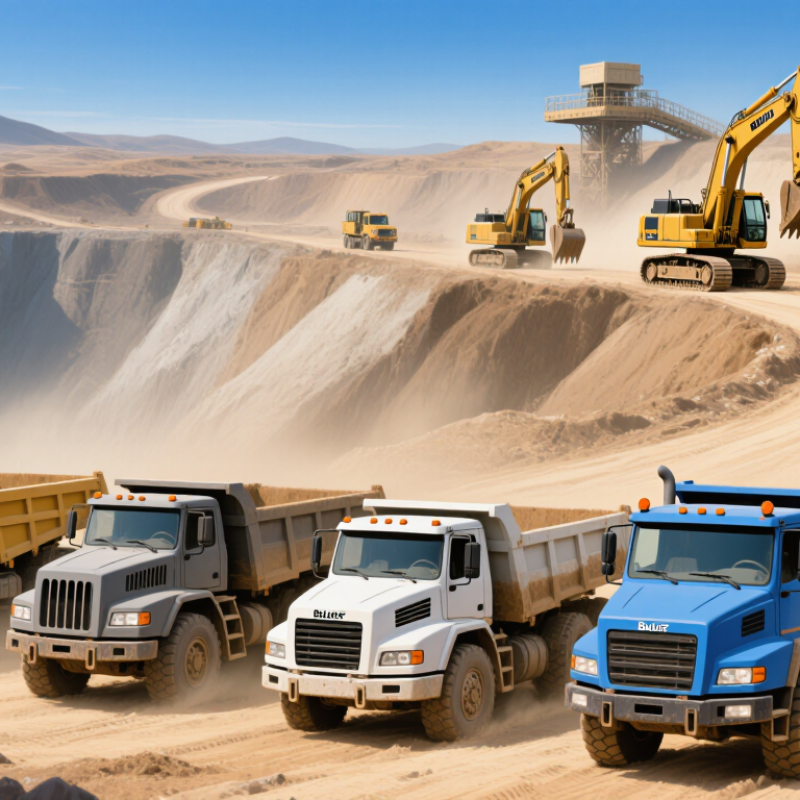
What Are the Top Heavy Mining Truck Manufacturers?

Definition and Role of Heavy Mining Trucks

Heavy mining trucks are purpose-built vehicles for moving blasted rock, ore, and waste across large surface mines. They differ from highway trucks through their extreme payloads, reinforced frames, oversized tires, and specialized braking systems. Some carry hundreds of tonnes in one load, depending on mine design and local operating conditions.

Scale changes everything. Their main role is to connect loading areas with crushers, stockpiles, or waste dumps. A well-matched truck fleet can reduce queuing and keep excavators productive. However, payload alone does not define performance. Haul-road quality, gradient, weather, tire condition, and operator training also influence each trip. In practice, a smaller truck may work better on narrow benches or steep routes. This point is often underestimated.

Modern units typically use diesel-electric or mechanical drive systems, onboard monitoring, and reinforced dump bodies. Cameras, proximity alerts, and fatigue controls can improve awareness, but they cannot replace skilled supervision. Fuel use and emissions remain important concerns, especially during long uphill hauls. Electric and hybrid developments may reduce some impacts, although charging needs and cold-weather performance still require careful assessment. Manufacturer reliability should be judged through service records, parts support, machine availability, and field data rather than brochure claims. Even experienced teams can misjudge total operating cost when maintenance delays are ignored. That deserves a second look.
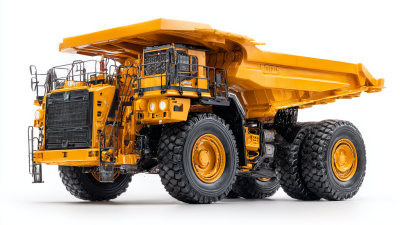
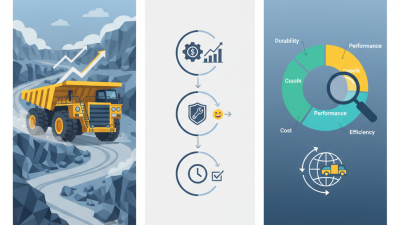
Key Factors for Comparing Mining Truck Manufacturers

Comparing heavy mining truck manufacturers requires more than checking payload figures. A truck rated for 220 tonnes may perform differently on steep haul roads, soft ground, or high-altitude sites. Fleet managers should examine real operating data, not only laboratory claims. Fuel consumption, cycle time, tire wear, and brake temperature reveal practical performance.

Look closely at the powertrain, frame design, suspension, and transmission. A strong engine means little if the drivetrain struggles under repeated uphill loads. Ask how quickly technicians can access filters, cooling systems, and hydraulic components. Parts availability matters during a night shift. So does training. Clear diagnostic tools can reduce repair delays and improve operator confidence.

Service support often separates similar manufacturers. Compare technician coverage, spare-parts storage, warranty terms, and emergency response times. Request performance records from sites with comparable rock, weather, and haul distances. Independent inspections can confirm whether advertised reliability matches field conditions. Not every published figure is equally useful. Some reports exclude idle time, empty returns, or seasonal maintenance.

Safety deserves direct attention. Review visibility, braking redundancy, cab protection, fatigue controls, and collision-awareness systems. A comfortable cab may support better decisions during long shifts. Lifecycle cost should include energy, tires, maintenance labor, training, and eventual resale value. The cheapest purchase can become expensive after two years. Even experienced buyers can misjudge local conditions, so pilot testing remains valuable before committing to a large fleet.

Leading Heavy Mining Truck Manufacturers Worldwide

The leading heavy mining truck manufacturers worldwide compete on payload, uptime, fuel efficiency, and service coverage. Their equipment commonly serves open-pit copper, iron ore, coal, and gold operations. The largest haul trucks can carry more than 300 metric tonnes, while advanced drive systems support safer control on steep haul roads. Size alone is not enough.

The International Energy Agency reported in its Global Critical Minerals Outlook 2024 that lithium demand rose by nearly 30% in 2023. Demand for nickel, cobalt, graphite, and rare earth elements also increased by roughly 8% to 15%. This pressure is pushing truck manufacturers toward larger electric-drive platforms, trolley-assist systems, and lower-emission engines. Deloitte’s Tracking the Trends 2024 also highlights decarbonization, automation, and operational resilience as major mining priorities. Fleet buyers now examine battery performance, charging time, tire wear, and local parts support.

Strong manufacturers usually offer modular truck designs, remote diagnostics, and technician training near mine sites. Their real advantage appears during a night shift, when a failed hydraulic line can stop hundreds of tonnes of production. However, published payload figures can mislead. They may exclude road conditions, altitude, or maintenance delays. Buyers should compare measured cycle times, not brochure claims. Data quality remains uneven across regions. That weakness deserves more attention.

What Are the Top Heavy Mining Truck Manufacturers? — Leading Heavy Mining Truck Manufacturers Worldwide

Heavy mining trucks are commonly grouped by nominal payload capacity. The chart shows representative payload levels used across the global mining industry, from approximately 91 metric tonnes in the 100-ton class to about 363 metric tonnes in the 400-ton class. These anonymized capacity categories reflect the operating range of large open-pit haul trucks without identifying individual companies or brands.

Major Truck Models and Their Mining Applications

What Are the Top Heavy Mining Truck Manufacturers?

Major truck manufacturers serve different mining conditions, so the best model depends on the site rather than reputation alone. Rigid-frame haul trucks dominate large open-pit mines. Their high payloads, powerful diesel-electric systems, and wide tires support long haul cycles on prepared roads. Common classes range from 90 to more than 350 tonnes. These trucks suit copper, iron ore, coal, and overburden removal.

Articulated dump trucks handle softer ground and changing work areas. Their hinged frames improve traction on steep ramps, muddy benches, and temporary roads. Many carry 25 to 60 tonnes and work well in smaller pits, quarries, and mine construction. Underground operations need low-profile trucks with strong steering angles, enclosed safety systems, and compact bodies. Battery-electric models are also gaining attention where ventilation costs and diesel emissions create operational pressure. Results vary. Charging time, temperature, and battery weight still require careful testing.

Tips: Match the truck to road length, gradient, payload, and maintenance support. Review actual cycle data, not brochure figures. Inspect braking response after repeated downhill runs. A larger truck may move more material, but it can increase road damage and waiting time. Operators often reveal practical weaknesses earlier than spreadsheets do. Check tire wear, cabin visibility, and service access during a site trial.

What Are the Top Heavy Mining Truck Manufacturers? - Major Truck Models and Their Mining Applications
Truck Class Typical Rated Payload Truck Configuration Common Powertrain Primary Mining Applications Typical Loading Equipment Operational Strengths
Light Rigid Haul Truck 25–50 metric tonnes
(28–55 short tons)
Two-axle or three-axle rigid-frame design Diesel-mechanical or diesel-electric drive Small open-pit mines, quarrying, construction aggregates, and short-haul overburden removal Hydraulic excavator, wheel loader, or front-end loader Lower capital cost, easier maneuverability, and suitability for narrow haul roads
Medium Rigid Haul Truck 60–100 metric tonnes
(66–110 short tons)
Three-axle rigid-frame design Diesel-mechanical or diesel-electric drive Mid-sized surface coal, copper, gold, iron ore, and limestone operations Large hydraulic excavator or 8–12 m³ wheel loader Balanced payload, operating cost, and flexibility across changing mine conditions
Large Rigid Haul Truck 130–180 metric tonnes
(143–198 short tons)
Four-wheel-drive or multi-axle rigid-frame configuration High-output diesel-electric drive is common High-volume open-pit copper, iron ore, coal, oil sands, and hard-rock mining Large electric rope shovel, hydraulic mining shovel, or ultra-class wheel loader High production rates, strong gradeability, and efficient performance on long haul cycles
Ultra-Class Haul Truck 220–240 metric tonnes
(243–265 short tons)
Heavy rigid-frame truck with reinforced suspension and frame components Diesel-electric drive with dynamic retarding Large-scale copper, iron ore, coal, and oil sands mines with high annual material movement Electric rope shovel or hydraulic shovel with a bucket of approximately 35–50 m³ High payload productivity and reduced truck count for large, well-engineered haul roads
Super-Ultra-Class Haul Truck 290–360 metric tonnes
(320–397 short tons)
Extra-heavy rigid-frame configuration with multiple rear axles Diesel-electric drive with advanced retarding and traction control Very large open-pit copper, iron ore, and oil sands operations Large electric rope shovel or hydraulic shovel with a bucket of approximately 50–70 m³ Very high tonnes-per-hour output where haul roads, bridges, crushers, and maintenance facilities support the size
Underground Articulated Dump Truck 30–60 metric tonnes
(33–66 short tons)
Articulated chassis with low-profile options and oscillating center joint Diesel power; battery-electric variants are also used in some underground fleets Underground metal mines, development headings, production stopes, declines, and haulage tunnels Underground loader, development loader, or low-profile hydraulic excavator High maneuverability, articulation on uneven ground, and operation in confined underground workings
Trolley-Assisted Rigid Haul Truck 170–360 metric tonnes
(187–397 short tons)
Rigid-frame haul truck equipped with overhead trolley connection hardware Diesel-electric drive with electric power supplied on trolley sections Deep open-pit mines with long uphill hauls, high fuel consumption, and suitable overhead infrastructure Electric rope shovel, hydraulic shovel, or large wheel loader Lower fuel use and improved uphill speed on electrified haul-road segments; requires dedicated trolley lines
Battery-Electric Heavy Haul Truck 50–240 metric tonnes
(55–265 short tons)
Rigid or articulated chassis using battery-electric propulsion Battery-electric drive with regenerative braking Selected quarry, surface mine, pilot, and hybrid-duty applications where charging infrastructure is available Wheel loader, hydraulic excavator, or electric rope shovel, depending on truck size Zero tailpipe emissions at the point of use, reduced noise, and potential energy recovery on downhill haul cycles

Payload ranges are industry-standard class ranges and can vary according to body configuration, site regulations, tire selection, road conditions, and manufacturer specifications.

Future Trends in Heavy Mining Truck Manufacturing

What Are the Top Heavy Mining Truck Manufacturers?

Future Trends in Heavy Mining Truck Manufacturing

Heavy mining trucks are entering a practical transition period. The International Energy Agency’s Global Critical Minerals Outlook 2024 projects lithium demand could increase ninefold by 2040 under stated policies. That pressure will reshape truck design, especially in mines moving more ore for battery materials. Manufacturers are testing battery-electric, trolley-assist, and hybrid haulage systems. Battery trucks can reduce diesel use at loading zones, where engines often idle beside vibrating shovels. The change is not simple.

Charging infrastructure remains a serious constraint. A 300-tonne truck needs far more energy than a standard industrial vehicle. Mine operators may need overhead power lines, high-capacity substations, and charging yards near crushers. The Global Mining Guidelines Group highlights interoperability as a key requirement for autonomous and connected equipment. This means future trucks must communicate with fleet software, dispatch systems, and safety controls from different suppliers. Closed systems may slow adoption.

Automation will continue, but human judgment will remain important. The International Council on Mining and Metals links digital innovation with safer vehicle operations and better risk management. Radar, cameras, and real-time tire monitoring can detect hazards before a driver sees them. Still, dusty roads and heavy rain can confuse sensors. That weakness deserves more attention. Manufacturers are also developing modular frames, predictive maintenance, and recyclable battery packs to extend vehicle life. These improvements may cost more initially, yet they can reduce fuel, downtime, and component waste across long production cycles.